

Understanding the Shift: Is SEO Really Goodbye?
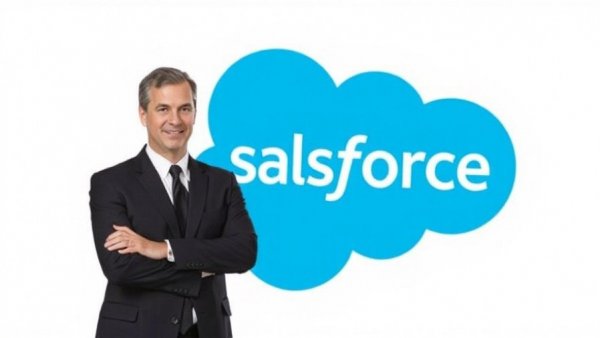
On November 18, Salesforce CEO Marc Benioff sent shockwaves through the digital marketing community by declaring ‘Goodbye SEO’ on X. In his post, he highlighted a new AI-based tool, Palmata, that tracks a company’s visibility in AI-generated responses. This bold statement raises critical questions about the future of search engine optimization in an age dominated by AI assistants like ChatGPT and Gemini. Many small and medium enterprises (SMEs), in particular, are anxious about the implications of such shifts—especially as they depend on SEO for their online presence.
The Nuanced Reality of SEO and AEO
Despite Benioff's claims, Salesforce's own SEO and AEO guide insists that SEO is not going away. Crafted by Graham Hardt, an SEO Senior Director, the guide emphasizes that SEO remains a cornerstone of online visibility. It describes SEO and AEO (answer engine optimization) as two sides of the same coin, both crucial for reaching an audience that increasingly relies on AI for brand recommendations. This distinction is particularly vital for SMEs, which often have limited resources and need to maximize their visibility across platforms.
Response from SEO Professionals: A Call for Balance
SEO professionals have swiftly countered Benioff's stark statement with insight and experience. Aleyda Solis, an SEO consultant, articulated that while AI search optimization taps into some founding principles of SEO, it is not a direct substitute. She stresses the need for brands to improve their overall visibility, emphasizing that brands must go beyond just monitoring mentions by AI platforms.
Pedro Dias, a former Google employee, voiced his skepticism by noting that SEO was never seen as a traffic driver but rather as an essential framework for online presence. This perspective indicates that dismissing SEO in favor of AI tools could overlook fundamental digital marketing strategies that continue to yield results. Therefore, understanding how both SEO and AI can coexist is pivotal in today’s varying digital landscape.
Why Brands Should Care: The Future of Visibility
As companies navigate this evolving landscape, understanding the synergy between traditional SEO and emerging AI technologies is crucial. Salesforce’s guide indicates a necessity for businesses to monitor both organic traffic metrics alongside their AI visibility metrics. In a world that increasingly prioritizes what AI says about a brand, maintaining a strong SEO strategy could complement AI efforts. This dual approach can provide a more holistic view of a brand's digital footprint, enabling SMEs to remain competitive.
Lessons from Market Trends
As digital marketing continues to evolve, the landscape is shifting towards AI optimization. However, recent discussions reveal an oversaturation of AEO tools, suggesting that a thoughtful approach is necessary. Growth advisor Eli Schwartz highlighted this oversaturation, indicating a competitive environment for tools designed to track AI-driven visibility. SMEs should take heed of the complexities involved in utilizing these tools effectively, ensuring they don’t sacrifice foundational SEO strategies in the process.
Moreover, as AI technologies develop, they make it easier for countless companies to engage in AEO practices, creating a saturated market where differentiation becomes increasingly difficult. This leads to a natural question: what should SMEs do to cut through the noise and effectively communicate their unique value?
The answer lies in embracing both SEO and AI optimization. Tailored strategies that leverage traditional methods while maximizing new AI tools could protect brands in an unpredictable digital marketplace. It's important for SMEs to view these developments not as threats but as opportunities for growth and innovation.
Practical Tips for SMEs Moving Forward
For SMEs looking to adapt to these changes and thrive in a landscape where both SEO and AI hold significance, here are a few practical tips:
- Educate and Train: Ensure your team understands both SEO fundamentals and how AI interacts with digital marketing. Ongoing training can help your business stay ahead of market trends.
- Utilize AI Tools Wisely: Use Palmata and similar tools not as replacements for your SEO strategy, but as complementary instruments. They can enhance your understanding of audience needs and provide insights that drive engagement.
- Monitor Metrics: Keep an eye on organic traffic and AI-generated mentions to gain a comprehensive view of your brand's presence. This will help you understand the effectiveness of your efforts across both strategies.
- Engage with Customers: Leverage social media and direct feedback mechanisms to understand shifts in consumer behavior. This is essential as audiences increasingly interact with brands through AI-driven platforms.
These steps can help bridge the gap between traditional and AI-based strategies, ensuring that SMEs remain relevant in the digital landscape. Implementing such strategies not only enhances visibility but also builds resilience against the uncertainties of future developments.
Conclusion: A Holistic Approach
Despite the uncertainty presented by statements like Benioff’s, it is clear that SEO remains a vital component of a holistic digital marketing strategy. Brands should not view the rise of AI as a threat to their SEO efforts but rather as an opportunity to innovate and enhance their online presence. By maintaining a balanced approach that combines both SEO and AI practices, companies can navigate the complexities of the contemporary digital landscape more effectively.
Call to Action: Embrace both SEO and AI tools to bolster your online visibility strategy, ensuring your brand thrives in an evolving digital landscape. Explore resources, attend workshops, and engage with experts to stay ahead of the curve in this dynamic environment!




Write A Comment