

The Latest AI Insights from Google Ads: What SMEs Need to Know
In the ever-evolving world of digital marketing, keeping pace with technological advancements can be challenging for small to medium enterprises (SMEs). Recent developments in online advertising are particularly significant, as they present unique opportunities for businesses looking to elevate their marketing strategies. Recently, Google Ads has introduced a beta feature called Asset activity, which provides valuable insights into ad creative performance. This newly tested page aims to equip advertisers with crucial feedback on their assets and leverage AI-driven data creatively.
What Is the Asset Activity Page?
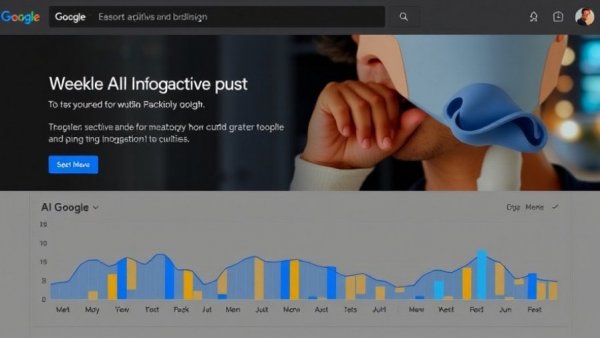
You might have heard about Google Ads' new Asset activity page, which appears as a dedicated section within the Google Ads menu. As noted by industry professional Anthony Higman, the page features insight cards that offer weekly updates about ad performance. These cards highlight essential metrics such as click-through rates (CTR) and suggest strategies to enhance ad effectiveness.
The cards are categorized into four segments: Featured, Asset performance, Asset diversity, and Industry trends. For instance, one card may encourage advertisers to incorporate financial recovery headlines to attract a specific audience. Meanwhile, another card might reveal a growing interest in legal consultation guidance, hinting at potential areas of focus for advertisers. By leveraging this information, SMEs can craft more relevant and engaging ads that resonate with their target demographic.
Why Is This Development Significant?
Understanding how to leverage tools like the Asset activity page can greatly impact advertising strategies for SMEs. The first metric highlighted in the Asset performance section is the click-through rate (CTR), a crucial indicator of how well an ad is performing. By recognizing CTR as a starting point, SMEs can test new headlines suggested by the platform and evaluate their effectiveness at the asset group or campaign level. This practice not only improves the relevance of ads but also optimizes budgeting by ensuring that funds are channeled toward the most effective creative assets.
The importance of testing and validating headlines cannot be overstated. The cards may suggest trends, but it’s imperative to monitor conversion rates and overall performance when implementing these recommendations. A simple headline change could lead to significant improvements if it resonates with your target audience. For SMEs, who often operate with limited marketing budgets, every improvement can be crucial for achieving a favorable return on investment (ROI).
How Does Asset Activity Compare to Existing Reports?
Google Ads has long offered various performance trackers and reporting tools, making this new feature an additional layer of analysis. Unlike conventional reports that typically summarize asset performance broadly across campaigns, the Asset activity page homes in on specific headlines. This precision assists SMEs in crafting more targeted ad messages tailored to their audience's changing needs. Such targeted messaging has been shown to enhance engagement, allowing businesses to connect with potential customers more effectively.
Moreover, Google’s previous feature, Ask Advisor, provided insights based on broad asset audits. In contrast, Asset activity focuses sharply on real-time creative feedback, bridging the gap between broad strategy evaluation and tactical implementations. This shift toward more granular, actionable insights means that SMEs can reduce waste in their advertising spend and direct resources toward creative elements that promise higher engagement.
Future Implications for SMEs in Digital Advertising
As digital marketing continues to be refined through AI technologies, the Asset activity feature is likely to become an indispensable tool for business owners. While still in beta, the functionality hints at exciting prospects for SMEs hoping to improve their advertising strategies. Keep an eye out for future updates from Google regarding this tool, as its evolution could significantly impact how businesses approach their campaigns.
Currently, many questions remain unanswered about who will access this feature and how exactly the insight cards are generated. Being proactive in monitoring Google Ads announcements can provide your business with a competitive edge. By staying informed, SMEs can adapt their strategies to align with the latest tools and methodologies offered by Google Ads, ensuring their marketing efforts remain relevant and impactful.
Taking Action: Staying Ahead in Digital Advertising
Implementing the insights from the Asset activity page can empower SMEs to remain adaptive in this digital landscape. Whether it’s re-evaluating your current headlines or exploring popular industry trends suggested by Google, the possibilities for growth are vast. To fully capitalize on these developments, consider experimenting with new ad strategies and utilizing the insights offered by Google. For instance, you might adjust your ad’s copy or even pivot your product positioning to leverage trending themes.
Now is the time for SMEs to harness these emerging technologies. Embrace the insights provided by Google Ads’ new features and continuously refine your advertising approach based on real-time data. By remaining proactive and open to change, you can ensure that your business stays competitive and effectively contributes to your growth. Additionally, collaborating with digital marketing experts or attending workshops on these new tools can further enhance your understanding and implementation of these strategies.
In conclusion, the introduction of the Asset activity page signifies a step forward for SMEs in navigating the complexities of digital advertising. By integrating AI-driven insights into marketing strategies, businesses have the opportunity to enhance their visibility and reach, ensuring they can better serve their customers and thrive in an increasingly competitive marketplace.





Write A Comment